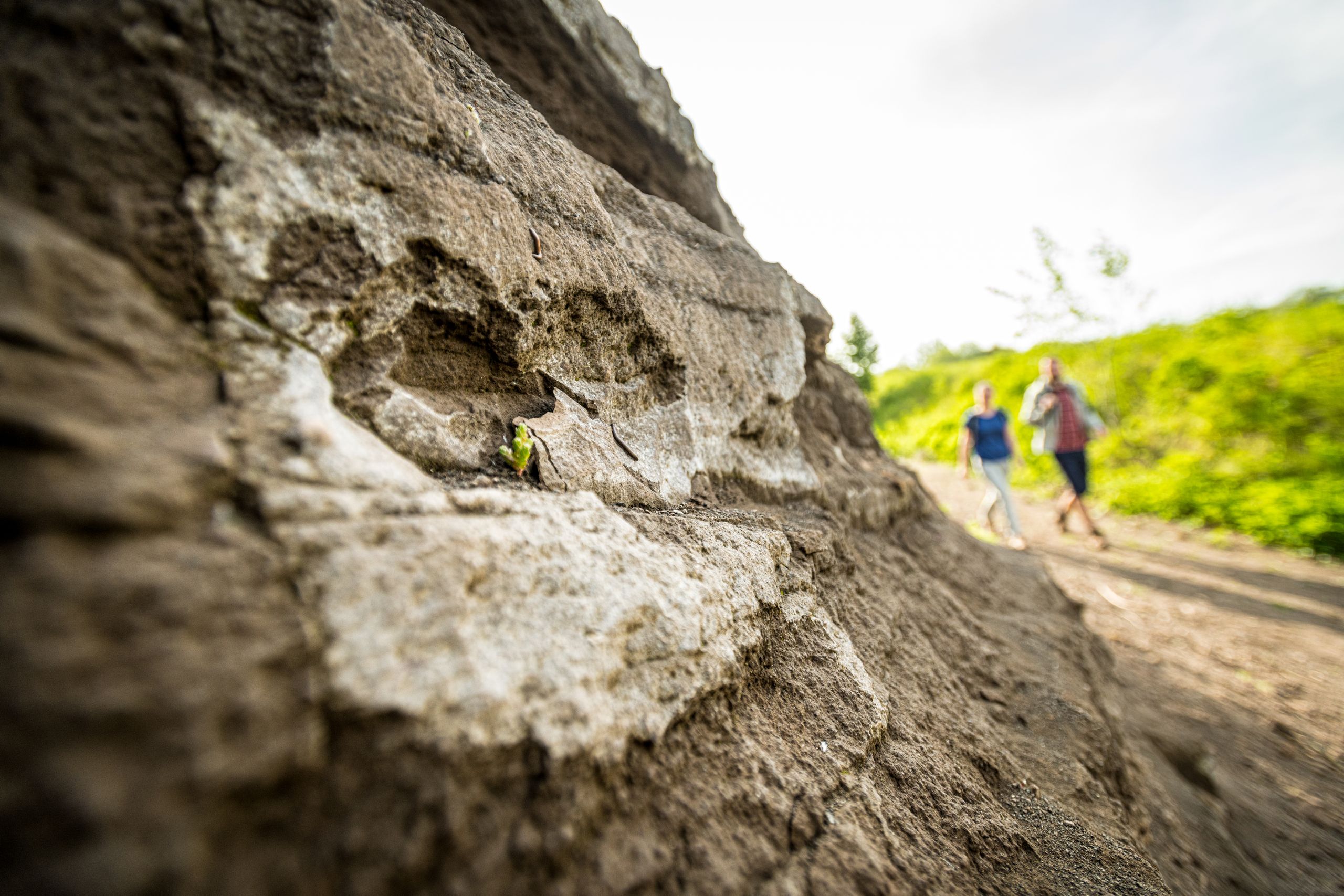
Volcanism in the Eifel began around 45 million years ago. During this time, there were two major volcanic phases:
The first took place in the Tertiary period between 45-35 million years ago and was spatially concentrated in the area of the Hocheifel volcanic field (between Ulmen and Adenau).
The second phase is still very young and began around one million years ago and lasted until around 10,000 years before today. During this period, three volcanic fields were formed in the Eifel, which can be distinguished spatially and temporally: the tertiary Hocheifel volcanic field and the quaternary volcanic fields in the East and West Eifel.
The first volcanoes in the Eifel erupted around 45 million years ago as a result of the strong expansion of the earth's crust during the formation of the Alps. Over 400 tertiary volcanoes have been identified in the Hocheifel volcanic field. The Arensberg volcano near Walsdorf, for example, is evidence of this phase.
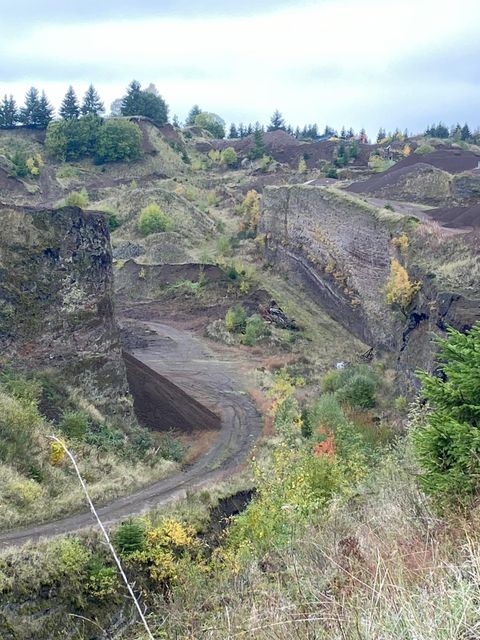
The quaternary volcano Goldberg, northeast of the municipality Ormont, is the northwesternmost foothill of the quaternary volcanic field in the Westeifel.The volcano is 649.1 meters above normal zero. The Goldberg was formed about 10 to 11,000 years ago in two eruptions. First, a large ash cone was formed. The second eruption phase began after a short time, which at first exploded the top of the old cinder cone with a strong explosion. Then again a cinder cone was built up on the leftovers and the activity ceased after a certain time.
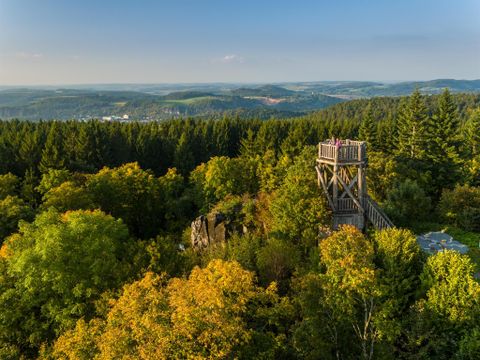
About 2500 years ago there was a Celtic urbanisation with pastures on the Dietzenley. The Celtic urbanisation was protected by ring walls of up to 9 meters high and 4 meters wide against attacks.During the volcanic activity around 600.000 years ago, the area around the Dietzenley was covered with volcanic rocks. These rocks are used by the Celtics to build the ring walls.
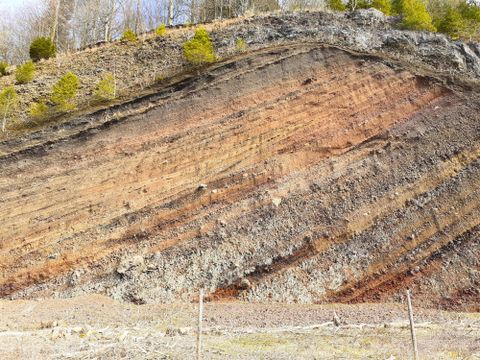
In the heart of the Volcanic Eifel lies what is probably the most complete volcano in Germany, the Rockeskyller Kopf. No other volcano shows all stages of its development so open-heartedly.
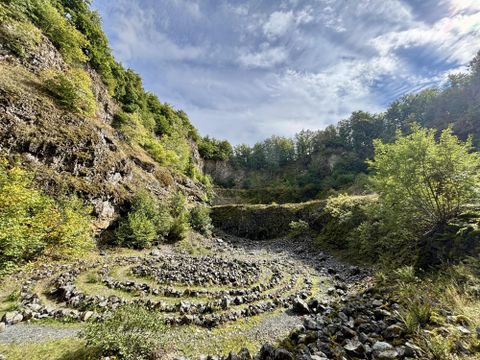
The volcanic crater Arensberg (also called Arnulphusberg).
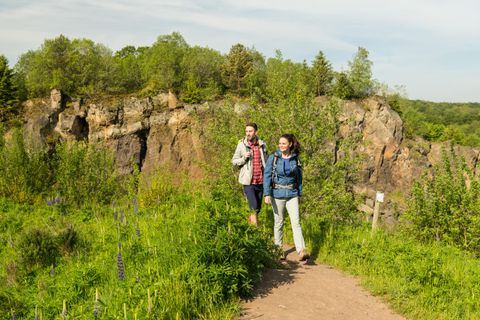
The visitor's magnet with its detailed geological phenomena around volcanism.
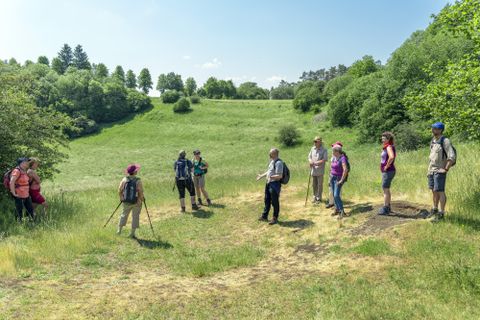
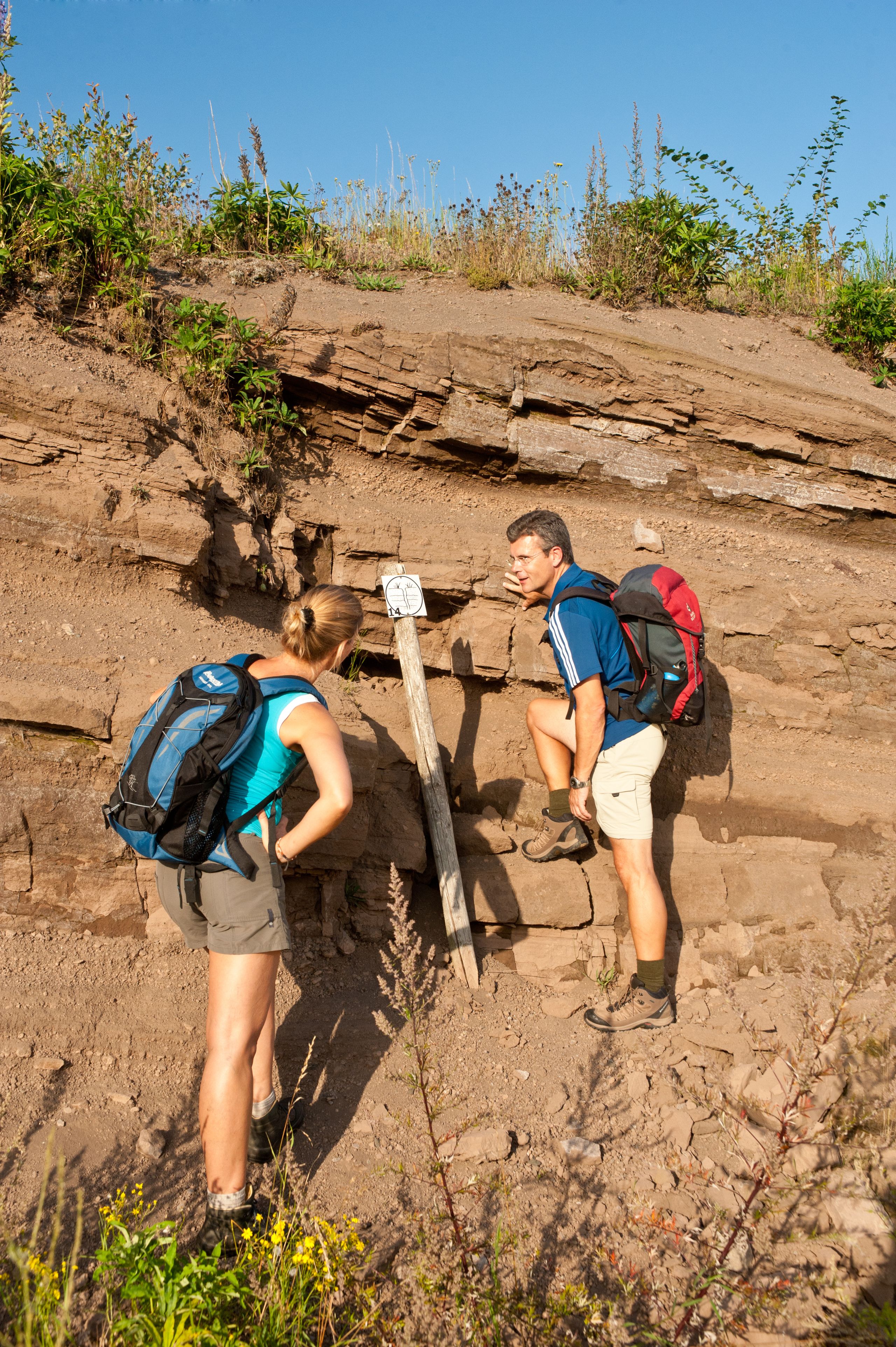
The volcanic activity on Munterley has had several eruptions, the most notable being the crater of Papenkaule. The volcanic crater is about 80 m wide and 20 m deep. Today, the Papenkaule is a top-class geo- and biotope.
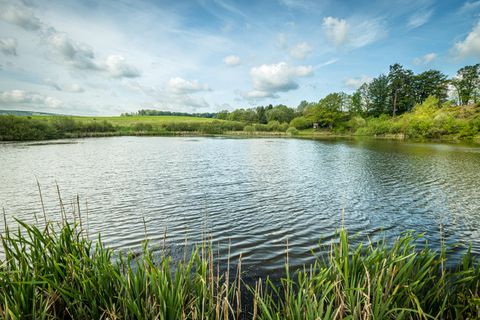
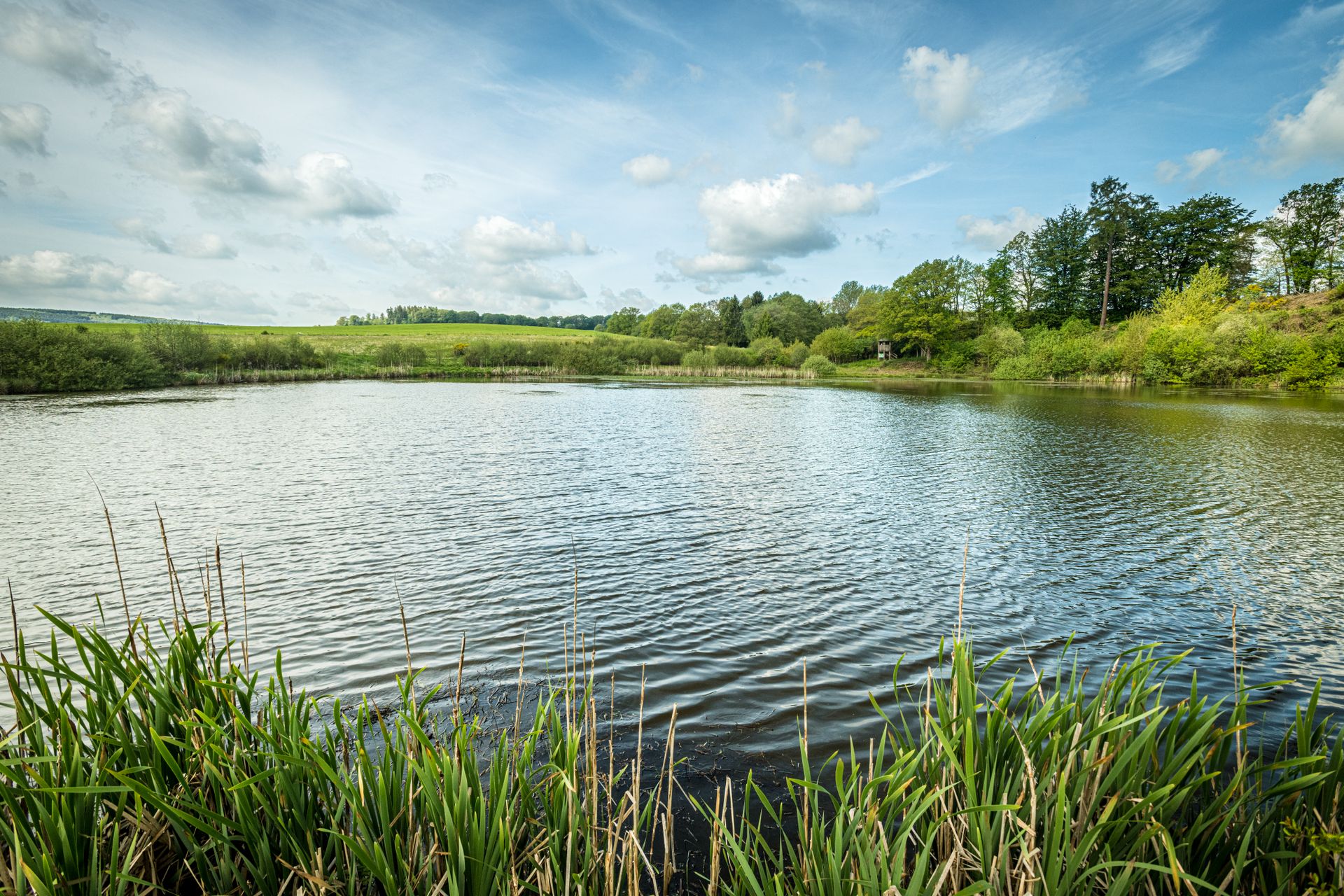
Idyllically located between the two Eifel towns of Steffeln and Duppach on the volcanic path and the "Vulkane, Maare & Dreese" circular trail, the Eichholzmaar with a diameter of approx. 120 m and a maximum depth of 3 m is the smallest and northernmost water-filled Maar of the Eifel.
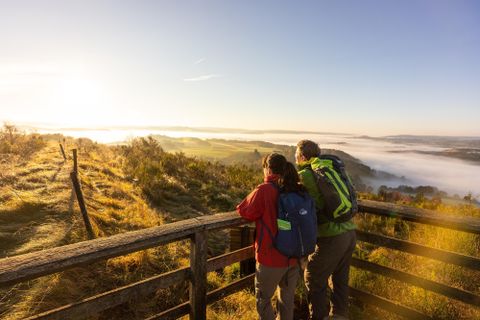
The 566-meter-high, erosion-shaped volcanic cone is home to the impressive millstone caves, where angular lava clinker and porous rock provide an impressive insight into the volcanic past of the region.
Welcome to the land of maars and volcanoes.
Between Bad Bertrich near the Moselle and Ormont here in Gerolsteiner Land, you will find a geologically extraordinary and exciting part of our earth's surface. The "adventure of volcanism" is taking shape here, attracting visitors and scientists from all over the world.