The Jünkerath Railway Museum documents over 150 years of railroad history in the Eifel and Moselle region. Moselle region is documented. In the exhibition, visitors will find numerous interesting objects from the everyday life of railroad workers. More detailed information about the museum and the objects on display can be found on the Internet at www.eisenbahnmuseum-juenkerath.de. Opening times: April to the end of September, Saturdays from 2 - 4 pm. For larger groups special opening times are also possible by appointment. Admission is free of charge, a donation is requested.
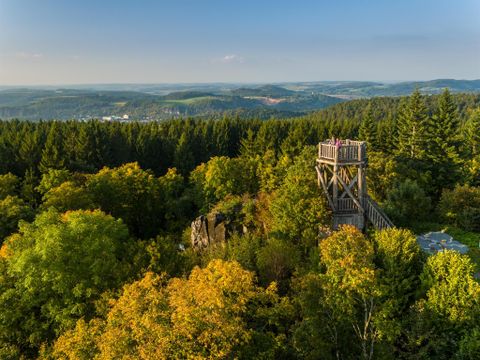
The 566-meter-high, erosion-shaped volcanic cone is home to the impressive millstone caves, where angular lava clinker and porous rock provide an impressive insight into the volcanic past of the region.
Copyright: Touristik GmbH Gerolstein - Frank Reuter
Keltisch-Römische Tempelanlage Juddekirchhof
Gerolstein
Open today
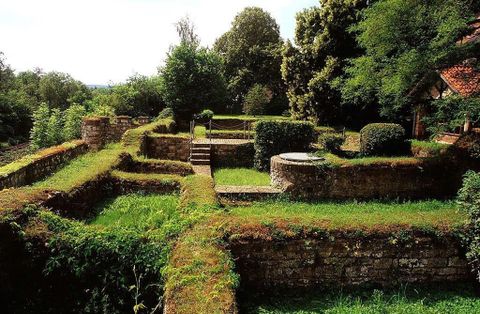
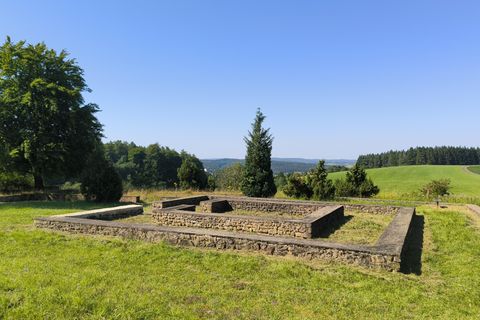
The Roman Marcus Victorius Polentius donated a temple dedicated to the goddess Caiva on the Munterley Plateau in 124 AD, presumably in gratitude for a victorious battle. Today the place of worship is popularly called "Juddekirchhof". The name comes from "Joddekirchhoff", i. e. "yard around the church (sanctuary) of the Jodd", where "Jodd" is synonymous with "godfather". The Celtic matrons had about the same duties as Catholic godmothers.
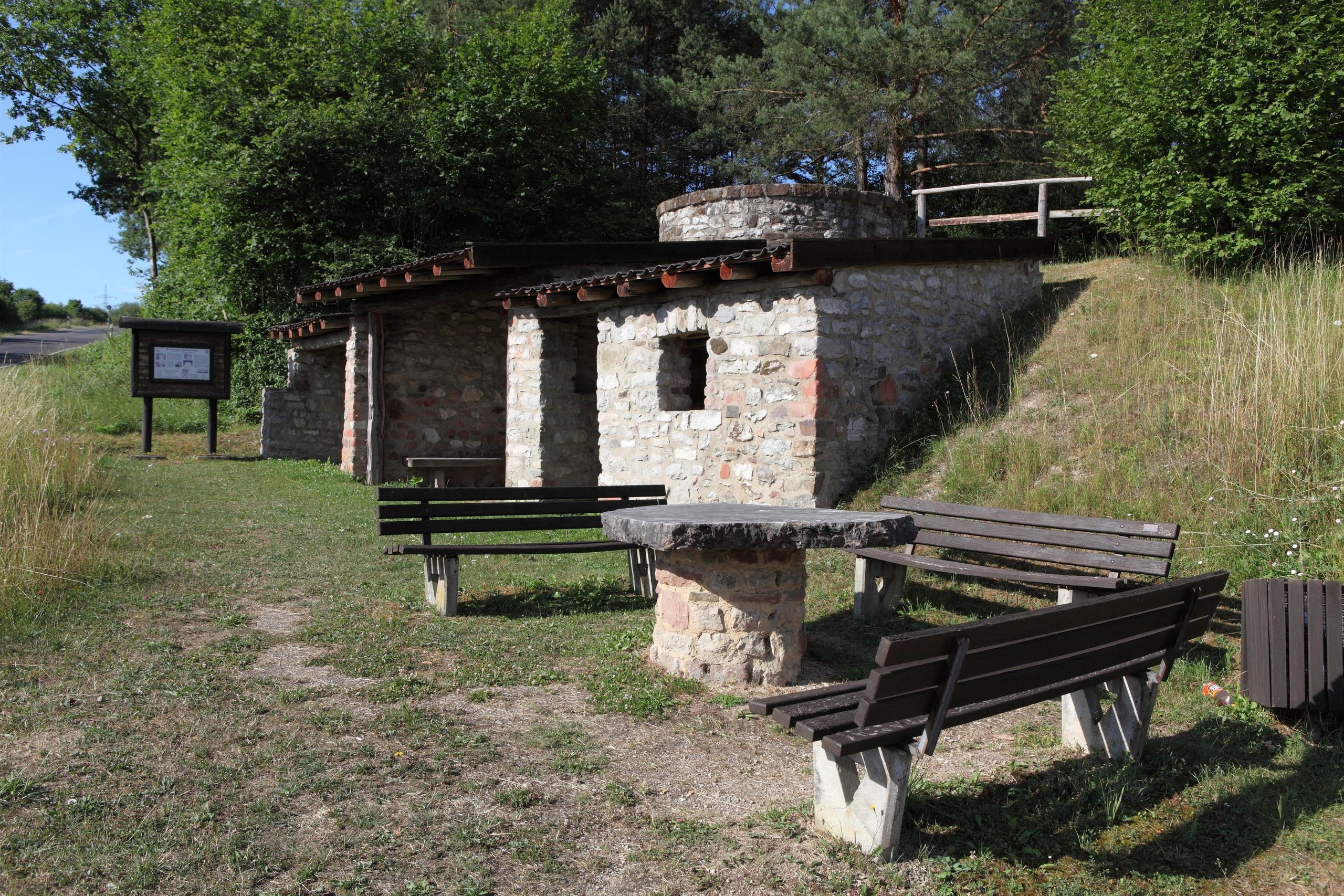
The millstone caves are located northwest of Gerolstein, between the districts Müllenborn and Roth. For those who want to get really deep insights into the interior of the volcano Eifel, a visit to the Mühlstein caves is a must.