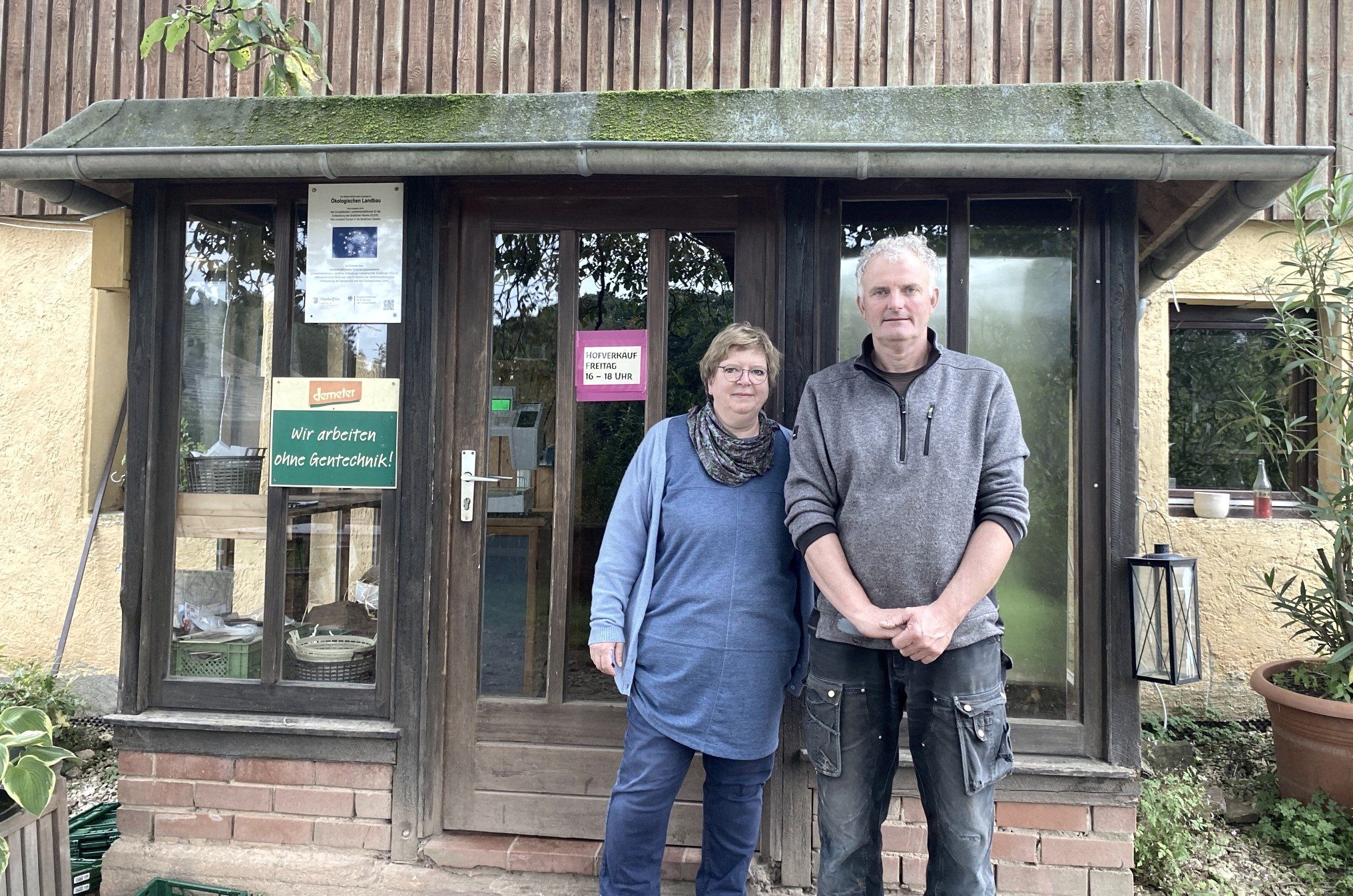
Copyright: Touristik GmbH Gerolsteiner Land, Andreas Kube
Steinich farm, Mürlenbach
Harborth family, Auf dem Steinich 3, 54570 Mürlenbach Tel.: 06594 1347, Mail: Harborth.Steinich@web.de
Hof Steinich - Soul care and biodynamic agriculture
Autumn, with its glorious colors, is traditionally the time to give thanks. Thanks for the fruits of the fields and gardens that we humans have harvested in late summer and early fall. Nowadays, this 'giving of thanks' is no longer really practiced due to the lack of home gardens and the year-round availability of food in the supermarket. Our lifestyles have changed and so #GeroRegional is focusing on a regional producer of agricultural produce that is also a place for nurturing the human soul.
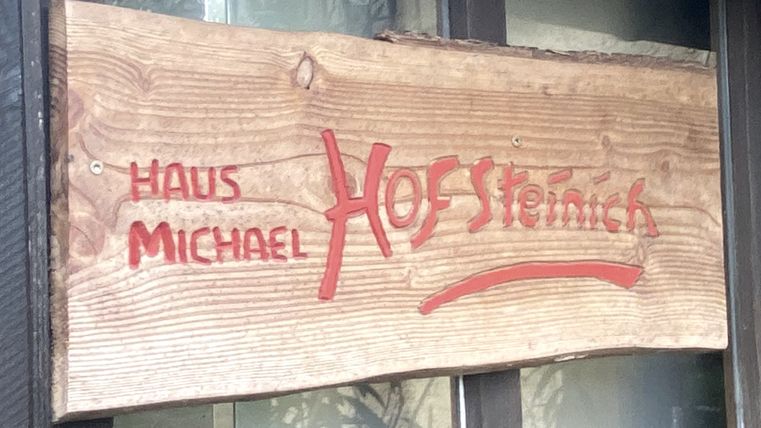
The Steinich farm above the Kyll valley near Mürlenbach is no ordinary farm. Not only is biodynamic agriculture practiced here, but it is also part of a social therapeutic care facility dedicated to the holistic care of people with autism spectrum syndrome. The facility is run by the Haus Michael e.V. association in Weißenseifen, which was founded in 1973 and has been operating the farm for 47 years according to the guidelines of spiritual scientist Dr. Rudolf Steiner. Many people are familiar with this type of organic farm, which sells its products with the Demeter label. What makes Demeter farms special is their holistic approach to soil, plants and animals, which aims to promote the biodynamic health of the entire ecosystem. This is achieved through the use of special preparations, astrological influences and ecological diversity.
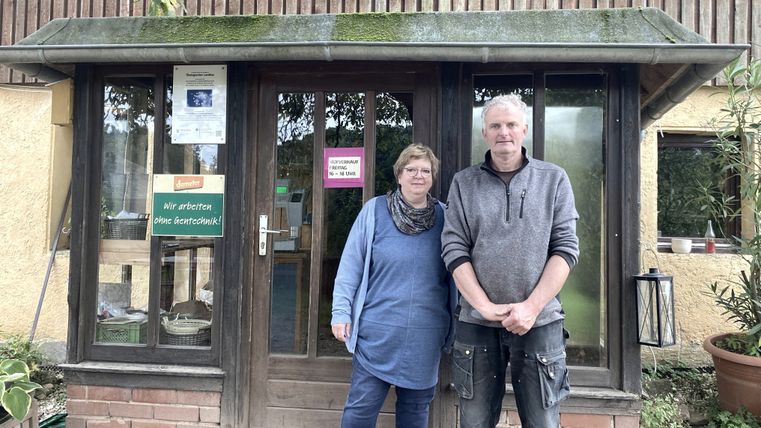
The people who have been implementing this on the Steinich farm for 28 years are farmer Christian Harborth (56 years old) and gardener Ulrike Harborth (57 years old). Both completed their training on organic farms and got to know each other while working together.
After their first few years working on various organic farms, they began their search for their own farm. The decisive factor was not the acquisition of property, but the desire to be able to carry out their daily work as independently as possible. Finally, in 1995, they were employed as farmers and gardeners at the Haus Michael association.
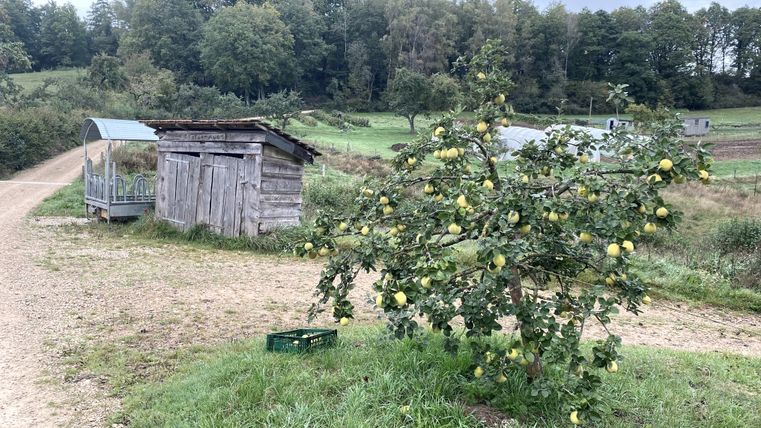
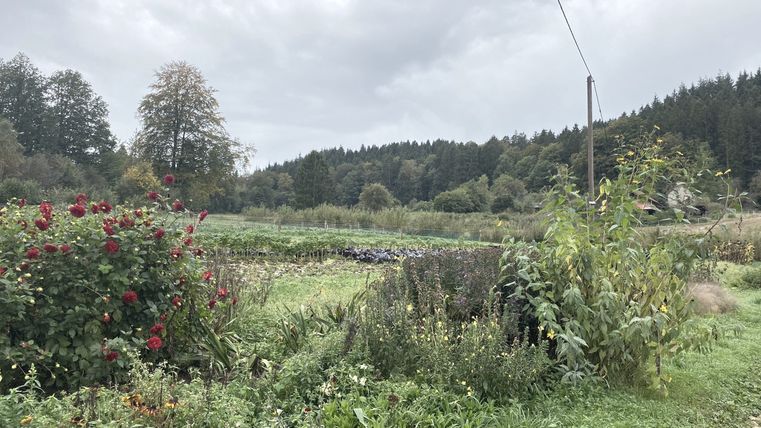
The Steinich farm includes grassland with fruit cultivation and pasture farming, meadow orchards with apples, pears, quinces and nuts, and the farm's 'Glan cattle', an old breed of cattle, graze in between. The farm also has its own juice press, vegetable growing and some forestry work.
The organic farm is a direct marketing operation, 70-80% of the produce is sold at the Gerolstein farmers' and fresh produce market, 10-15% goes to the Haus Michael care facility for catering and the remaining 5% is supplied to regional farm and village stores. Customers want a certain variety of products and so goods are sourced from other producers and traders in the region to ensure that the selection at the market is consistent.
Christian Harborth believes it is important to keep the product selection seasonal and notes that he does not sell strawberries in January. The products from Hof Steinich are grown in the cycle of the year and sold with a foreseeable end of availability. For many customers, this is coherent, they make a conscious purchase decision and experience the natural cycle of agriculture at first hand.
Christian Harborth is one hundred percent convinced of the quality of the farm products in terms of taste, purity and sustainability. The appearance of the biodynamically produced food may not always match the usual advertising image, but most customers know how to classify this too.
What makes the work at Hof Steinich special in some respects is the cooperation with the 'people in need of help or assistance', as the people in need of care from Haus Michael in Weißenseifen are called. This deliberate choice of words also reflects the holistic approach to care according to Dr. Rudolf Steiner. The people at the social therapy facility, most of whom have autism spectrum syndrome, live in a very separate world of their own perception and can only make contact with other people's world of experience to a limited extent or in a different way.
The secluded location of the farm was an important selling point in the 1970s, because for people with autism spectrum syndrome, a quiet environment with as few stimuli as possible is a decisive and immensely important feel-good factor in daily life. The clients always come to the farm for several hours in the afternoon and provide support wherever they can. Not every activity is suitable for them; vegetable growing, for example, with its delicate manual work, is more suitable than activities involving heavy machinery.
The experiences at Steinich Farm are very valuable for the people cared for there and create new points of reference to their outside world. These processes often take many years for them to open up and for new relationships to develop, as Ulrike Harborth, who looks after the clients in the residential groups at Haus Michael in addition to growing vegetables, also reports.
It is a special mixture of challenges and the resulting experiences that make the work at Hof Steinich so varied and valuable. Farming and social work go hand in hand here. On the one hand, it is the connection with the earth and the animals and, on the other, the multi-layered cooperation with the clients; Christian Harborth also says with full conviction that "you need a certain idealism and enthusiasm for this work."
Anyone who would like to find out more about the social or production work at Hof Steinich is welcome to visit. The organic products are available directly from the farm on Fridays from 4-6pm or on Saturdays from 8am-12pm at the Gerolstein farmers' and fresh produce market next to the town hall in Brunnenstraße. Here you will also find many other local traders and producers with sustainable regional products. A shopping experience that is definitely worthwhile!!!
Contact:
Hof Steinich
Harborth family
Auf dem Steinich 3
54570 Mürlenbach
Tel.:06594 1347
Mail:Harborth.Steinich@web.de
Haus Michael e.V. Weißenseifen